
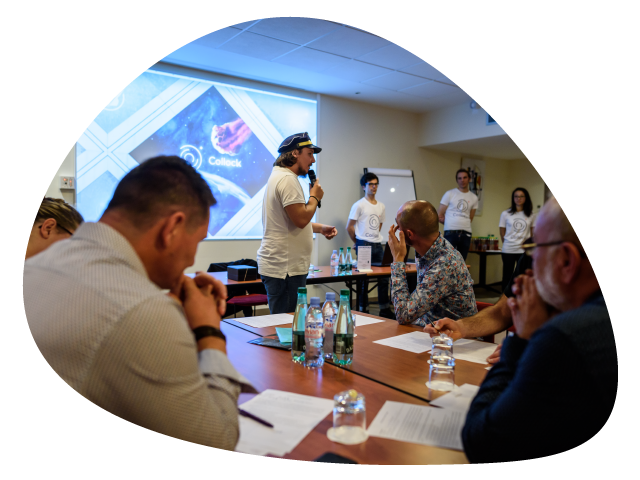
Essential to the well-being of all employees, raising awareness about inclusion is now everyone’s responsibility. Because yes, a few isolated actions aren’t enough: a collective and sustained effort is truly necessary to create a space where everyone feels comfortable. This diversity and inclusion must therefore be actively cultivated within the company, whether to broaden perspectives or dispel stereotypes. To achieve this, you can consider implementing diversity and inclusion training for employees. Collock tells you more.
What is diversity and inclusion training?
Diversity and inclusion training refers to programs designed to help employees better understand differences between individuals, encourage respectful interactions and foster a more inclusive workplace culture. While diversity relates to the representation of different backgrounds, identities and perspectives within a company, inclusion focuses on ensuring that every employee feels valued, respected and able to contribute fully.
In today’s professional environment, diversity and inclusion are no longer viewed as optional initiatives. Companies are increasingly aware that inclusive workplaces contribute to stronger collaboration, improved innovation and better employee engagement. However, building an inclusive culture requires more than policies or statements. It requires awareness, education and continuous effort.
This is where diversity and inclusion training for employees become essential. These training programs help employees recognize unconscious biases, understand the impact of stereotypes and develop behaviors that encourage inclusion in everyday interactions. Effective diversity and inclusion training encourages reflection, dialogue and behavioral change. It helps employees better understand the experiences and perspectives of others while creating a safer and more collaborative work environment.
Organizations of all sizes and industries can benefit from this type of training. Whether the goal is to improve team dynamics, prevent discrimination or support organizational values, diversity and inclusion training plays a real role in building healthier workplace cultures.
Benefits of diversity and inclusion training for the employees and the company
Diversity and inclusion training for employees provide benefits that extend beyond compliance or corporate image. When implemented effectively, it creates positive impacts for both employees and the organization as a whole.
One of the main benefits for employees is the development of awareness and empathy. Training encourages individuals to better understand different perspectives and recognize behaviors that may unintentionally exclude or disadvantage others. This increased awareness contributes to more respectful and constructive interactions.
Employees also benefit from a stronger sense of belonging. Inclusive environments help individuals feel accepted and valued regardless of their background, identity or personal characteristics. This sense of belonging positively influences engagement, motivation and well-being at work.
For managers and leaders, diversity and inclusion training can improve communication and leadership practices. Leaders learn how to manage diverse teams more effectively, encourage participation and create psychologically safe environments where employees feel comfortable expressing ideas and concerns.
From an organizational perspective, diversity and inclusion training contributes to stronger collaboration and innovation. Teams composed of individuals with varied perspectives are, then, better equipped to solve complex problems and generate creative ideas.
Inclusive companies also tend to strengthen their employer brand. Candidates increasingly seek organizations whose values align with their own and inclusive workplace cultures can become a powerful factor in attracting and retaining talent.
Moreover, diversity and inclusion training can help reduce workplace conflicts and prevent discriminatory behaviors. By addressing biases and encouraging respectful communication, companies can create healthier professional relationships and reduce tensions within teams. Ultimately, diversity and inclusion are also strategic drivers of organizational performance.
Different types of diversity and inclusion training
Diversity and inclusion training can take many different forms depending on the organization’s goals, challenges and workforce profile. And one common type focuses on unconscious bias awareness. These programs help employees identify automatic assumptions or stereotypes that may influence their decisions and interactions. By recognizing these biases, participants can begin developing more inclusive behaviors.
Another frequent approach turns around anti-discrimination and harassment prevention training. These sessions aim to clarify workplace expectations, explain legal frameworks and encourage respectful conduct.
Cultural awareness training is also widely used in international or multicultural organizations. It helps employees understand cultural differences, communication styles and workplace expectations across diverse environments.
Inclusive leadership training specifically targets managers and executives. It focuses on developing leadership practices that encourage equity, participation and psychological safety within teams.
Some organizations also implement accessibility and disability awareness training. These programs help employees better understand visible and invisible disabilities while promoting more accessible and inclusive work environments.
Increasingly, companies are turning toward interactive and experiential formats. Serious games, simulations or even role-playing exercises allow participants to actively engage with inclusion-related topics instead of passively listening to presentations. Experiential learning is particularly effective because it creates emotional engagement and encourages participants to reflect on real-life situations. These formats lead to deeper understanding and more lasting behavioral change. And if you want to take advantage of these experiential diversity and inclusion training for employees, you can contact Collock!
Tailored trainings for your employees with Collock!
At Collock, we believe that diversity and inclusion training should be engaging, practical and adapted to the realities of each organization. Every company has its own culture, challenges and objectives, which is why we design tailor-made training experiences.
Our approach combines pedagogy, interaction and gamification to create impactful learning experiences. Rather than relying solely on traditional presentations, we develop workshops, serious games and collaborative activities that encourage active participation and reflection.
Participants are immersed in realistic professional situations where they must interact, make decisions and confront different perspectives. These immersive experiences help employees better understand inclusion-related challenges and identify concrete ways to improve workplace interactions.
Our tailored diversity and inclusion training programs can address a wide range of topics:
- Unconscious bias
- Inclusive communication
- Workplace discrimination
- Diversity awareness
- Inclusive leadership
- Accessibility and disability awareness
- Team collaboration and psychological safety.
We adapt each program to your industry, organizational context and target audience and, after each session, we organize a debriefing phase. Our facilitators then guide participants through discussions that connect the experience to real workplace situations. This helps transform awareness into actionable behaviors.
By working with Collock, organizations can create meaningful diversity and inclusion initiatives that go beyond compliance and contribute to long-term cultural change. Want to know more? Contact us!
Frequently Asked Questions
What is diversity and inclusion training?
It is a type of workplace training designed to promote awareness, respect and inclusive behaviors among employees.
Who should participate in diversity and inclusion training?
All employees can benefit from this type of training, including managers, HR teams and executives.
Why is diversity and inclusion important in the workplace?
Inclusive workplaces encourage collaboration, improve employee well-being and support innovation through diverse perspectives.
Can diversity and inclusion training reduce workplace conflicts?
Yes. By improving awareness and communication, training can help prevent misunderstandings and discriminatory behaviors.
Can the training be customized for our company?
Absolutely. At Collock, all training programs are tailored to your organization’s culture, challenges and objectives.
